Melanie Perkins Heard No More Than a Hundred Times Before Canva Existed
She started selling handmade scarves at 14 and built Canva's precursor in her mother's living room. Investors passed, repeatedly, for three years.
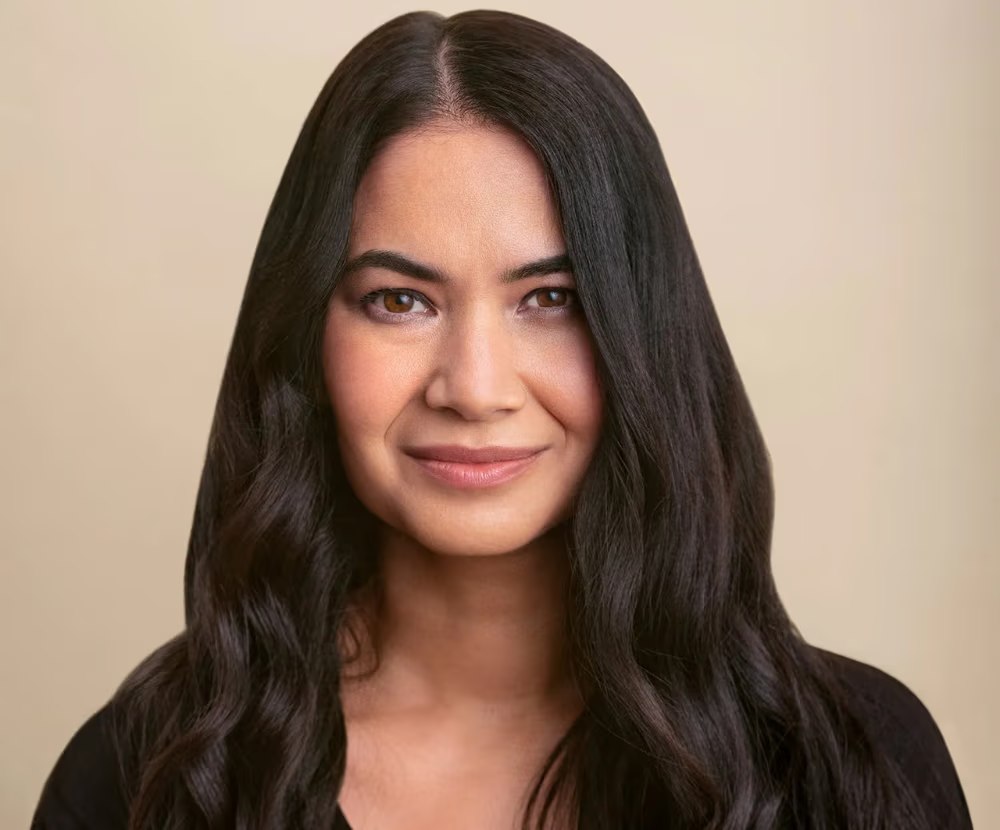
The number most often attached to Melanie Perkins is $42 billion — Canva's valuation in an August 2025 employee share sale. The more instructive number is one hundred, which is roughly how many investors turned her down first.
Perkins was born in Perth, Australia, in 1987. She started selling handmade scarves at 14. At university she taught design software to other students, and that teaching job produced the observation the entire company rests on: the tools were needlessly hard, and most of the difficulty had nothing to do with design.
Three years of no
Perkins built Canva's precursor in her mother's living room, then spent years trying to raise money for the larger idea. Being based in Australia rather than Silicon Valley was itself treated as a strike against her by investors. More than a hundred said no.
That period is usually compressed into a sentence in profiles. It was years. Anyone who has pitched knows what a hundred rejections does to conviction, and the interesting question is not how she endured it but what she did with the time — which was to keep narrowing the product until the pitch stopped depending on the investor's imagination.
Canva launched in 2013, co-founded with Cliff Obrecht, now her husband, and Cameron Adams, who came in through an introduction from Lars Rasmussen, the Google Maps co-founder and early Canva adviser.
Freemium, then everything
The first year brought 750,000 users. Unicorn status followed in 2018. What happened after that is a case study in refusing to stay in your lane.
Canva has spent the last few years buying its way up-market and into AI: Affinity, a professional design suite that competed directly with Adobe's paid products, acquired in 2024 and then made free to all users — a direct strike at Adobe's business model. Leonardo AI, the Australian foundational model company, in August 2024. MagicBrief in June 2025. Cavalry and MangoAI in February 2026.
The company reports more than 240 million monthly users across 190 countries, with millions of paying teams including customers like Zoom. Annualized revenue had passed $3.3 billion by the August 2025 share sale. Canva hired former Zoom CFO Kelly Steckelberg in 2024 and established a US parent entity in early 2025 — the structural groundwork for a public listing.
The part that changes the incentives
Perkins and Obrecht each own an estimated 18% of Canva. In 2021 they signed the Giving Pledge, committing to transfer more than 80% of their stake to the Canva Foundation. In July 2026 they launched the Global Goals Platform, an initiative that surveys people around the world about the changes they most want to see — an early step toward giving away a 30% stake in the company.
Canva says it has also donated around $2.5 billion in product value to students, teachers, and more than a million nonprofits. Cameron Adams has separately committed to giving away the majority of his wealth.
Why it matters to anyone starting now
Perkins has described Canva as having two goals that feed each other: to become one of the world's most valuable companies, and to do as much good as it can. Read cynically, that is a mission statement. Read structurally, it is a commitment made before an IPO, which is the only time such a commitment is cheap to make and expensive to break.
The durable lesson is smaller and harder. She found the insight while doing an ordinary job — teaching software to students who found it frustrating — and then spent three years being told the insight was wrong. Most people stop at rejection twenty.