Noa Assaf Spent Years Failing at Something He Was Already Good At
At eighteen, the Calgary founder has personally closed more than $2.5 million and driven over $3 million more running sales for other companies. He says the turning point had almost nothing to do with sales.
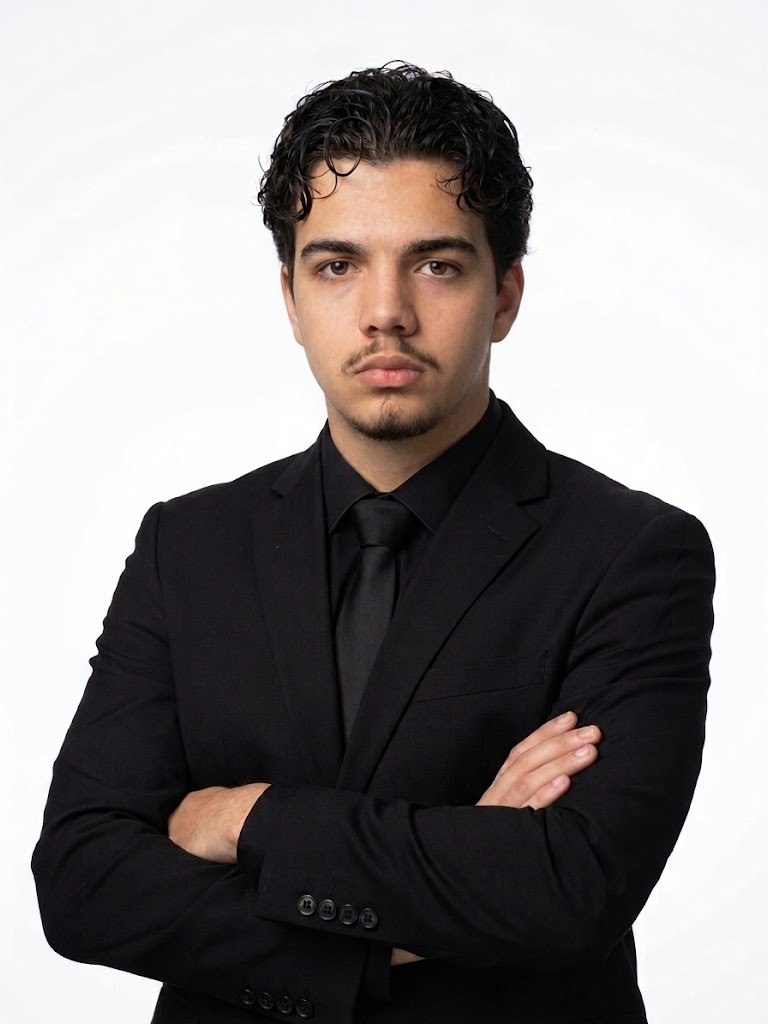
There is a version of the young founder story that everybody has already read. Kid starts early, works harder than everyone around him, the results arrive on schedule, and the lesson at the end is that you should also work hard.
Noa Assaf's story does not run that way, and that is the reason it is worth telling.
He started at fourteen, cold calling. Door to door at fifteen. Managing a small team at sixteen. High ticket closing at seventeen. By eighteen he had closed more than $2.5 million in deals himself, and generated over $3 million more across three companies as a sales manager. On paper it looks like a clean line.
It was not a clean line. For a long stretch in the middle of it, he was good at the job and losing anyway.
The failure nobody puts in a bio
Assaf had the training. He could run a call, hold a frame, handle an objection, build a script that other people could pick up and use. The mechanics were not in question.
The results still refused to move.
He watched people with less skill outproduce him and could not account for the gap. That is the specific kind of failure that breaks people, because there is nothing obvious left to fix. When you are bad at something, the instruction is simple: get better. When you are good at something and it still is not working, you run out of instructions.
Most people quit there, or they stay busy and call it strategy. Assaf did something less comfortable. He accepted that the problem was not in the technique, which meant it had to be in him.
Three years studying the wrong subject on purpose
He stopped studying sales.
For roughly three years he read outside the industry entirely. Manly P. Hall. Carl Jung. Neville Goddard. Albert Pike. Plato. Not as a hobby and not as a personality, but as an attempt to answer one practical question: why do two people run the same system and get different outcomes.
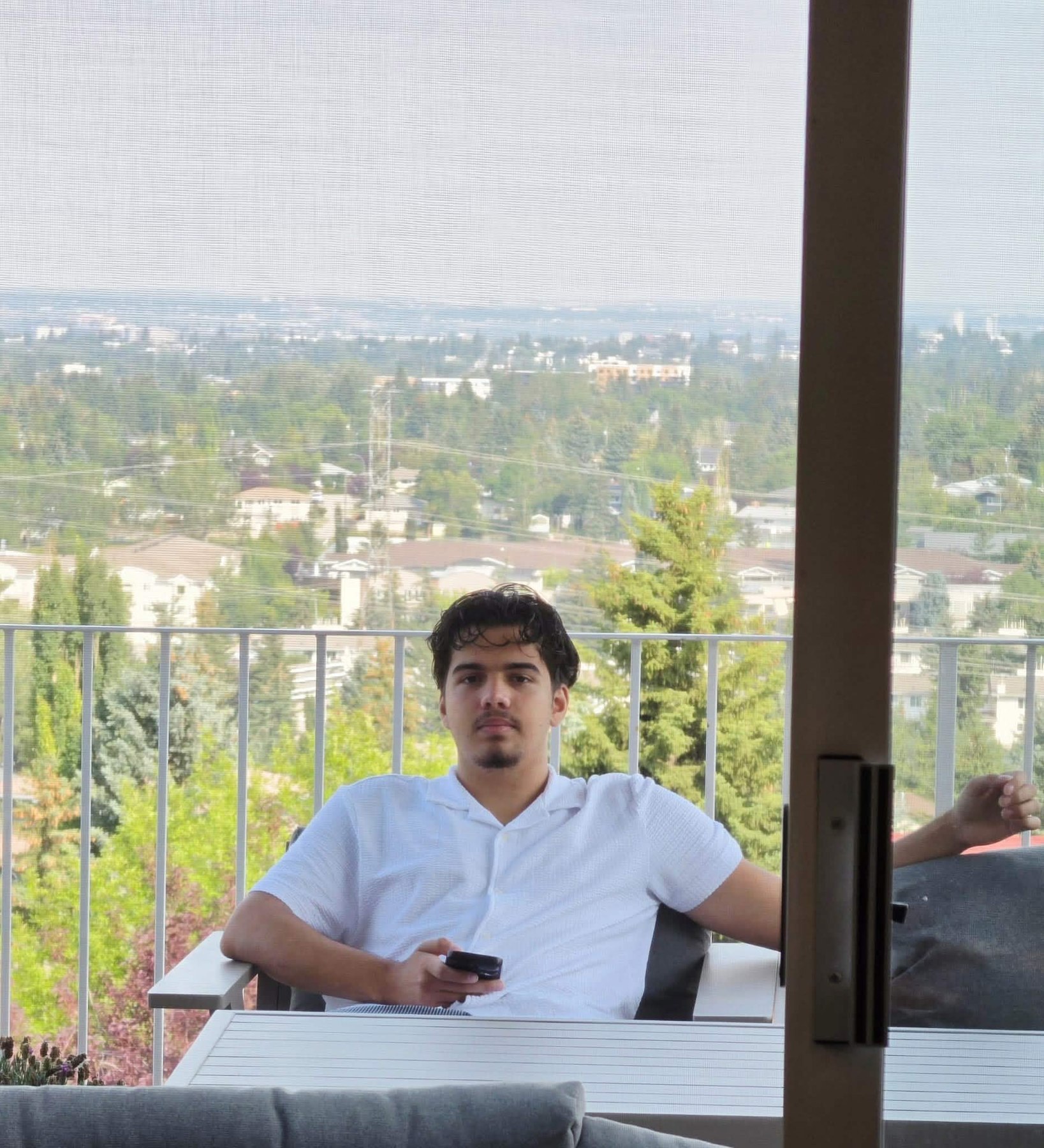
What he came out with is the idea sitting underneath everything he now builds and teaches. The mind is cause. The outer world is effect. You do not chase a result. You become the person that result is already attracted to, and then the mechanics you spent years learning finally have something real to operate on.
It sounds abstract until you notice it is the only variable he had left, and that changing it is what changed the numbers.
What he built once the inside matched the outside
The philosophy would be worth nothing if it had not survived contact with real businesses. It did.
LeadScoutr inverts the oldest problem in outbound. Traditional prospecting means interrupting people who were not thinking about you. LeadScoutr listens across Reddit, Discord, and other public communities for the moments somebody openly states the problem you solve, scores that intent, and routes the qualified signals into your pipeline. The conversation starts at a completely different temperature, because the prospect raised their hand in public before anyone showed up.
Then there is the part of his work that never gets a logo. He has architected sales enablement for done with you paid ads and affiliate programs, including playbooks, pitch decks, and hybrid setter and closer training. He has built outbound systems for clinics in the peptide and regenerative medicine space, where the problem is rarely traffic and almost always the leak between a lead arriving and a patient staying. And he operationalized a fifty person setter and DM team, with platform specific outreach limits and cross pod KPI tracking across Instagram, Discord, and LinkedIn. Fifty people running one system is the fastest available test of whether a system is real.
His current position on scripts is a genuine break from how most sales floors train. Word for word scripts are too rigid to survive a live call, so he builds objective based frameworks instead. Every stage defines what you need to accomplish and what you need to extract, not the exact sentence you use to get there. The output is a rep who can think rather than a rep who can recite.
Why he went public with it
There is an obvious version of Assaf who kept the discovery to himself, compounded quietly, and stayed wealthy and invisible.
He chose the opposite, and the reasoning is not sentimental. An insight held by one person dies with that person. An insight distributed compounds across everyone who receives it. That is the whole argument for teaching, and it is why he built a public presence at all.
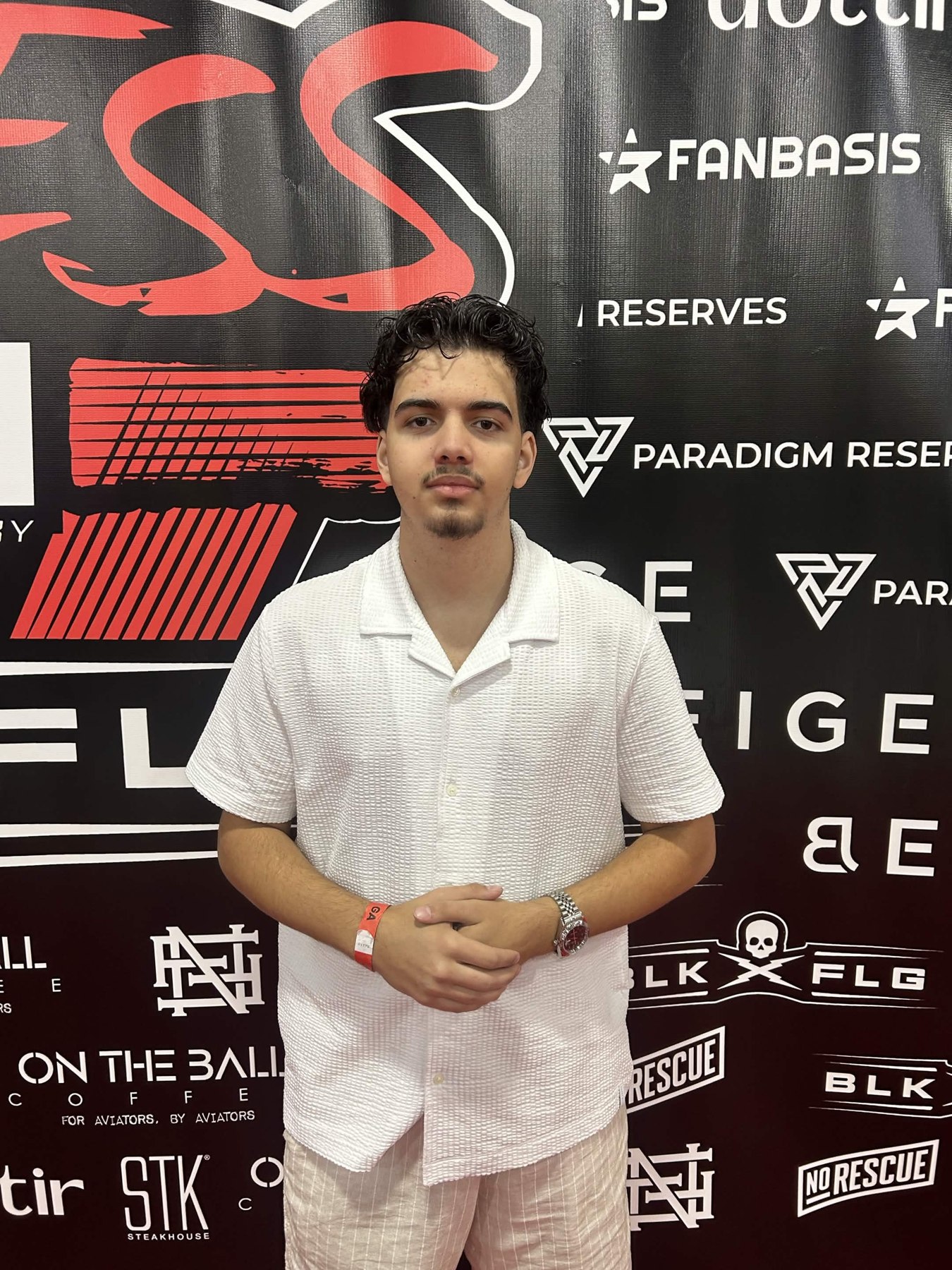
The teaching runs through his content, his speaking, and The Operators, a private community for builders and operators that runs workshops, live sessions, and in person events. A video can transmit a concept. Only a room can transmit a standard. People change most reliably when they see, up close, what normal looks like somewhere else.
The through line
Put the ventures side by side and the same pattern shows up in each one.
LeadScoutr removes the guesswork about who to talk to. The frameworks remove the dependency on memorization. The community removes the isolation that keeps capable people stuck at one level for years.
Every one of them takes something that used to require luck or raw talent and converts it into a system somebody else can run.
That is what Assaf means when he talks about influence, and it is a narrower definition than the word usually gets. Not reach. Not a follower count. The specific, countable event of one person getting a better outcome than they would have had, because of something he built or something he said.
He is eighteen. The most useful thing in his story is not the revenue, and he would be the first to say so. It is the three years in the middle where he was already skilled, already working, and still losing, and the decision to go looking for the cause somewhere other than the tactics.
The mind is cause. The outer world is effect. He tested it on himself before he ever said it out loud.