Michele Romanow Started Six Companies Before She Turned 35
A Groupon clone, a coupon app sold to Groupon itself, and then a fintech that rewrote how e-commerce founders raise money without giving up equity.
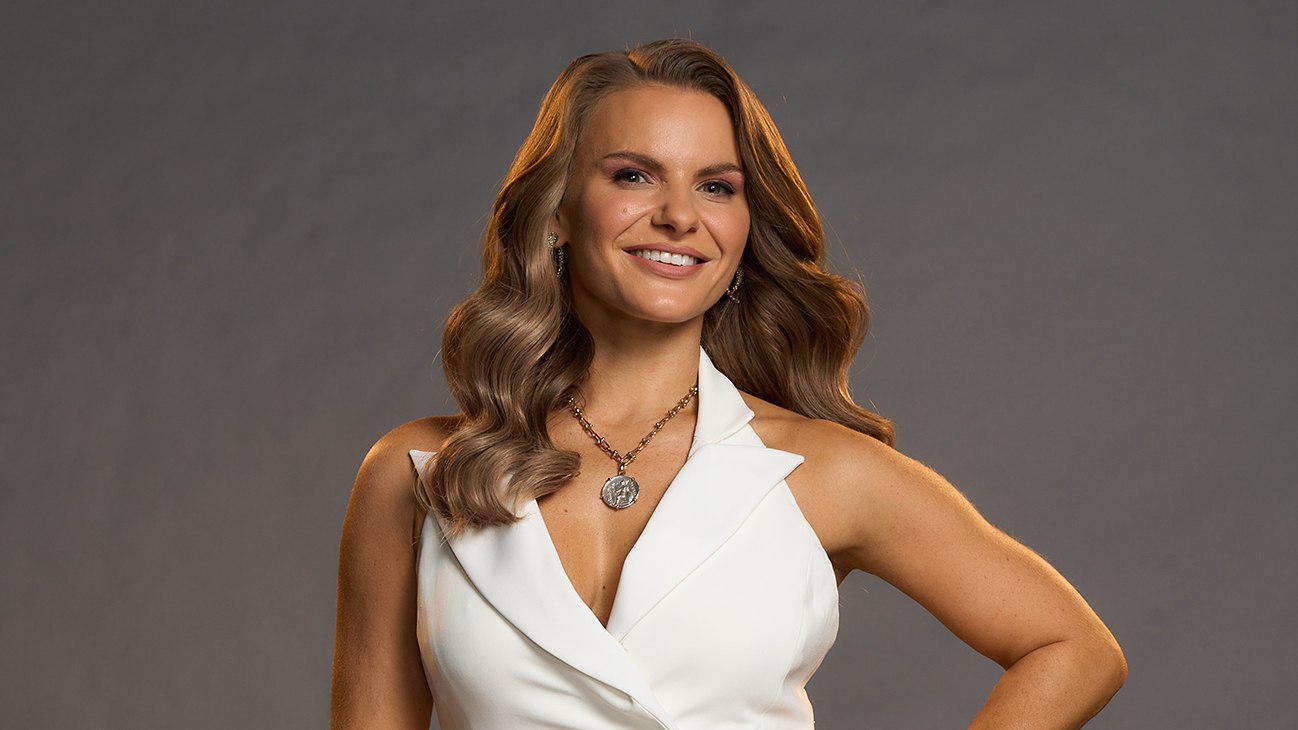
Most founders are defined by one company. Michele Romanow started six before her 35th birthday, and the pattern connecting them is more interesting than any one of them.
A Queen's University engineering graduate, Romanow's early ventures included BuyTheTee, Buytopia.ca — an online daily deals business later acquired by Emerge — and SnapSaves, a mobile coupon app acquired by Groupon. Building a Groupon competitor and then selling a product to Groupon is a fairly literal illustration of how she operates: get inside a market, learn where its economics actually sit, then take a position.
The problem she kept running into
Across those e-commerce ventures, Romanow encountered the same structural absurdity. A founder with a working online store and predictable ad returns — spend a dollar on ads, reliably get more than a dollar back — could not get capital to do more of it without selling equity to a venture fund at whatever terms were on offer.
That is not a risk problem. It is a measurement problem. The data to underwrite that founder already existed inside their Shopify and ad accounts.
Clearco, co-founded in 2015 with Andrew D'Souza, was built on that observation. Founders connect their e-commerce and marketing platforms; the system analyses revenue and financial health, automates diligence, and can reach a funding decision in minutes. Repayment is structured as a share of revenue rather than fixed instalments, so obligations fall when sales fall.
What removing the human step did
The algorithmic approach had a second-order effect Romanow talks about more than the speed. By reviewing financial and marketing data rather than founders, the platform routed substantially more capital to women-led businesses than the industry average, and a materially higher share to Black and Hispanic founders than conventional venture funding delivers.
Clearco reached unicorn status in 2021 — at the time one of only 23 fintech unicorns worldwide founded or co-founded by a woman. The company reports around $3 billion deployed to more than 10,000 brands, with about 65% returning for additional funding.
The part that did not go smoothly
In January 2023, after a difficult year for growth-stage fintech, Romanow stepped down as CEO. The announcement came alongside layoffs of roughly 30% of staff, following a 25% reduction six months earlier. Andrew Curtis, a New York investment banker, took the CEO role. Romanow moved to executive chair and remained on the board.
She was direct about it publicly at the time, saying the company was under the same pressure as every other to become profitable. It is a more useful data point than the unicorn headline. Clearco raised at the top of a cycle and had to restructure when the cycle turned, and the founder who built it said so plainly rather than disappearing.
The through line
Romanow joined CBC's Dragons' Den in 2015 as the show's youngest investor to date. She has been named to Fortune's 40 Under 40, made a Young Global Leader by the World Economic Forum, and co-founded the Canadian Entrepreneurship Initiative with Sir Richard Branson.
For founders starting out, the transferable idea is not "raise a unicorn." It is that six companies in fifteen years is not scattered — it is compounding. Each venture taught her something specific about e-commerce economics, and Clearco is what you build when you have run the businesses you are underwriting.